This research is supported by the Czech
Science Foundation GAČR EXPRO.
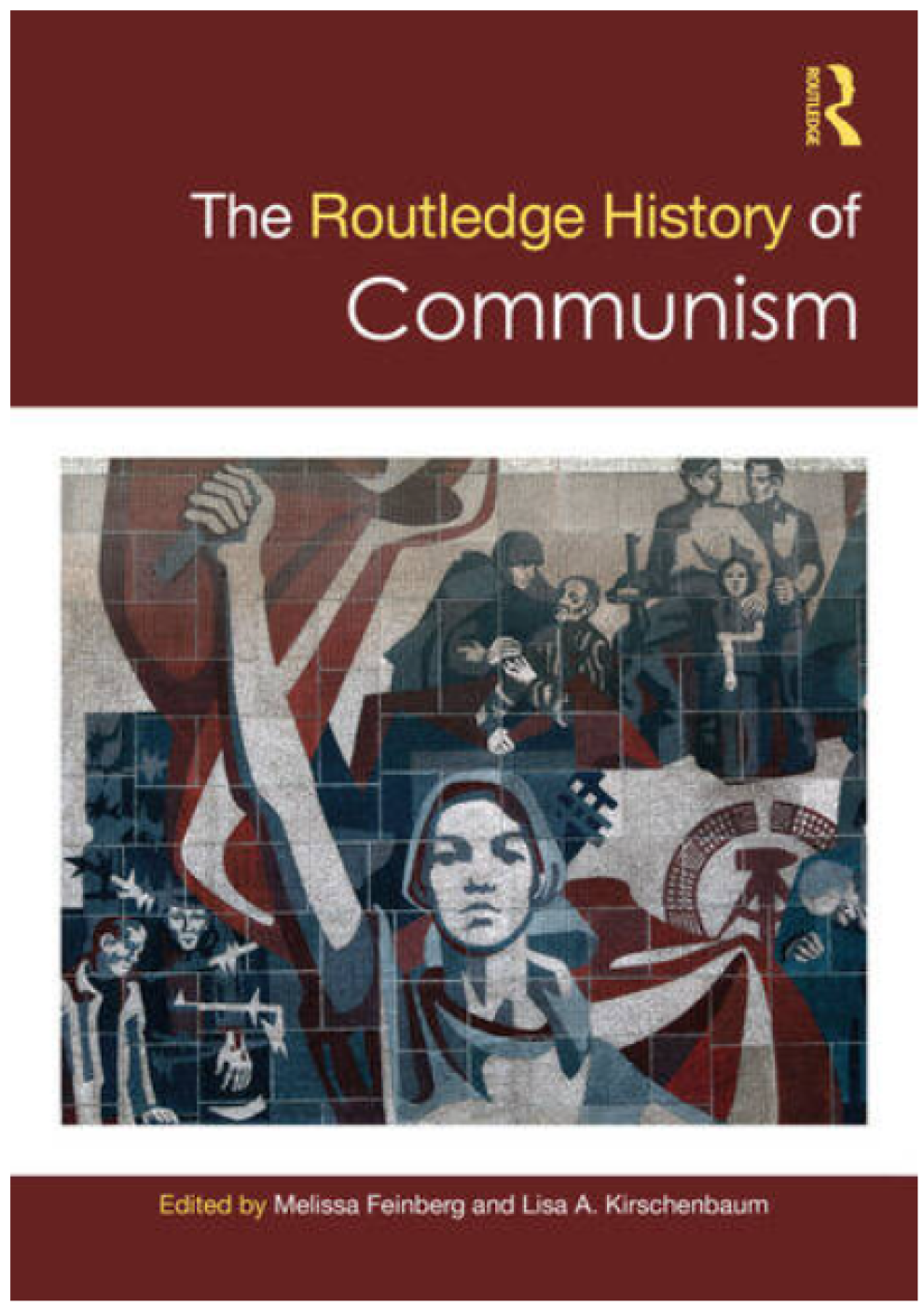
The Routledge History of Communism
book chapter
Lišková, K. (2026). „Marriage, Sex, and Family: From Equality and Collective Ideals to Individual Responsibilities in Socialist East Central Europe“. In The Routledge History of Communism, Melissa Feinberg a Lisa A. Kirschenbaum, 1. edition, 175–190. Routledge.
This chapter examines the complex and often contradictory attempts by socialist governments in Czechoslovakia, Poland, and Hungary to transform marriage, sexuality, and family life from the 1940s through the 1980s. It analyzes two key areas of tension: the struggle between egalitarian ideals and traditional gender arrangements, and the shifting balance between collective and individual responsibility for childcare. The chapter demonstrates how these countries implemented revolutionary legal codes mandating gender equality in marriage while simultaneously developing unprecedented attention to women’s sexual satisfaction, with Czechoslovakia leading in the 1950s and Poland and Hungary following in the 1970s. However, these progressive developments existed alongside a gradual retreat from collective care for the youngest children toward policies emphasizing maternal responsibility, particularly evident in the introduction of extended maternity leave. The analysis reveals how transnational knowledge circulation shaped local expertise while highlighting significant disparities in policy application, especially regarding Roma women who faced discriminatory sterilization practices. Ultimately, the socialist experiment produced unexpected combinations of sexual liberation underpinned by traditional gender scripts, creating conditions that often reinforced rather than eliminated women’s “double burden” of work and domestic responsibilities.